




 09:34 2026-06-08
In the pursuit of progress, humanity has long relied on chemistry, silicon, and heavy engineering. But the world is undergoing a quiet revolution — a "biohacking of reality." Scientists, tech giants, and municipal services are rediscovering the potential of living nature, often in completely unexpected ways. Indeed, evolution has produced perfect mechanisms over millions of years that solve complicated problems more efficiently than any supercomputer. Biological methods are becoming a leading trend in the smart management of our civilisation.
 419
419 8
8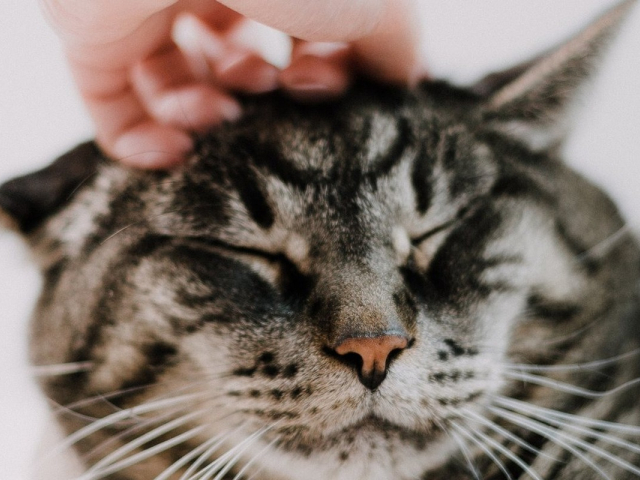
AI mosquitoes needed!
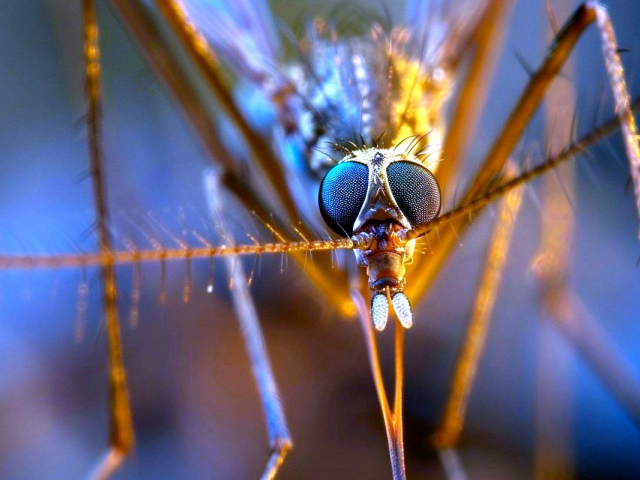
Google has asked the US government for permission to release 32 million sterilized mosquitoes in Florida and California. This herd is intended to eliminate the carriers of dengue and malaria that conventional pesticides no longer control. The technology sits at the intersection of biology and AI: neural networks automatically grow the insects, use computer vision to sort them by sex, and selectively release males infected with the natural bacterium Wolbachia. Wild females that mate with them produce no offspring. In Singapore, this method reduced dangerous mosquito populations by 90%.
Cats as incentive to stay at work
China’s corporate sector has faced high turnover among young professionals. The solution turned out to be biological and emotional: some companies offer new employees the chance to adopt a company cat. The firm pays in full for food and veterinary care while the animal lives at the employee’s home. If the employee leaves the company, the cat must be returned. This clever psychological and biological anchor has drastically reduced resignations — people are reluctant to give up their furry friends for offers from competitors.
Goat lawnmowers + stress relief
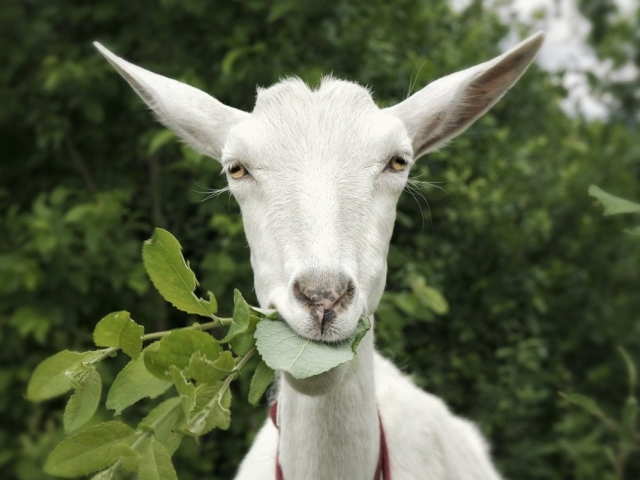
Tech giants, including Google and Amazon, have ditched noisy gas-powered mowers on their campuses. Instead, they regularly hire herds of goats. Hundreds of animals clear huge lawns of grass and weeds in a couple of days in an eco-friendly way. This solves several problems at once: goats are quiet, emit no exhaust, and can reach steep slopes where wheeled machinery cannot. In addition, this living landscaping effectively reduces employee stress, as workers enjoy watching the animals.
Mussels as sensors + AI
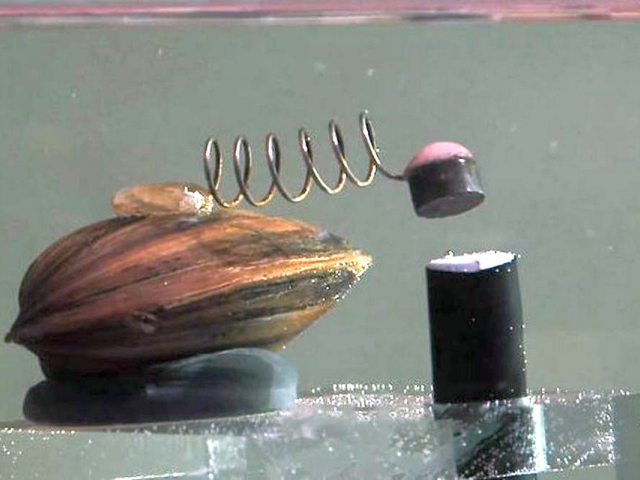
The main dispatch center of Warsaw’s water utility relies not on electronics but on eight live freshwater pearl mussels. These molluscs are extremely sensitive to toxins. Contactless sensors are attached to their shells and connected to computers. When the water is clean, the mussels are open and filter it; at the slightest appearance of harmful chemicals, their shells snap shut. The living biosensor reacts to poisons faster and more accurately than any chemical rapid test. If more than four mussels close simultaneously, AI automatically shuts off the city’s water supply.
APOPO’s demining rats
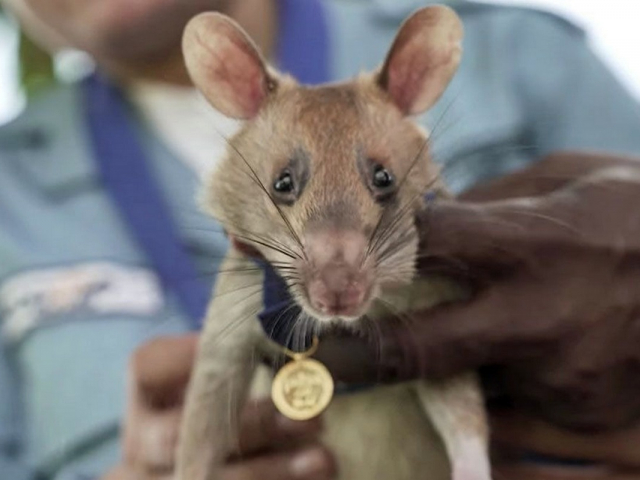
The international organization APOPO uses giant pouched rats to find antipersonnel mines in Africa and Asia. Thanks to their phenomenal sense of smell, they detect explosives by the scent of TNT. They can search an area the size of a tennis court in just 20 minutes — a task that would take a person with a metal detector four days. At the same time, a rat’s weight is too light to trigger a detonator, making their work absolutely safe for the animals themselves. The most famous deminer, a rat named Magawa, even received the UK’s highest civilian award for saving human lives.
Pigeon Air Patrol, take off!
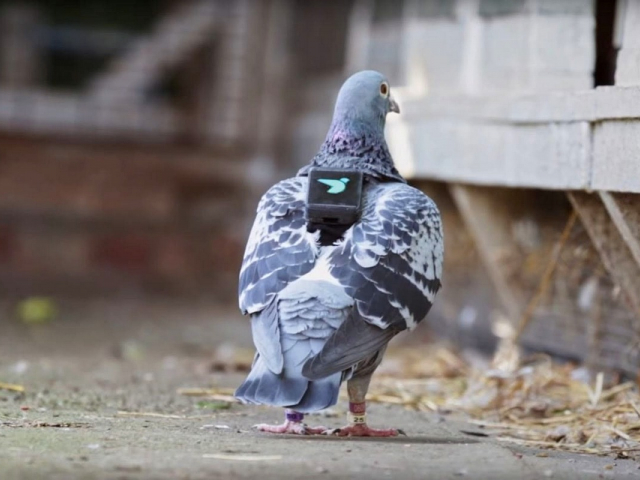
To monitor critical levels of air pollution in London, scientists created the Pigeon Air Patrol project. A flock of common pigeons carries ultralight high-tech backpacks equipped with sensors. The birds fly over the metropolis at varying altitudes, collecting real-time data. Londoners can send requests via social media and instantly receive an air-quality report for a specific neighborhood compiled by the feathered patrol. Using birds made it possible to build an accurate three-dimensional map of city smog that ground stations alone could not provide.
Living streetlights: Glowee
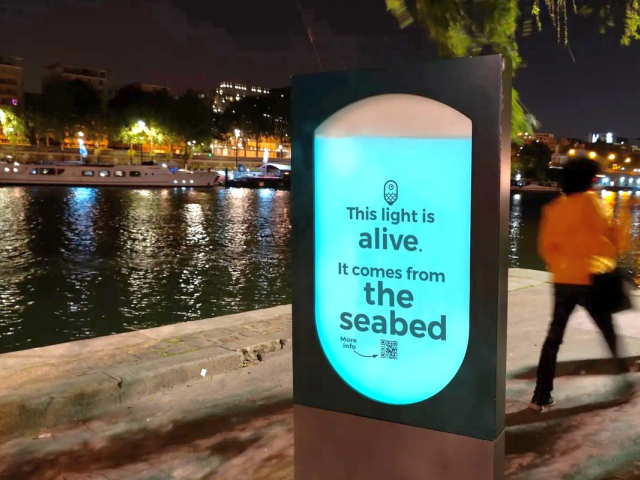
The French startup Glowee addresses the energy crisis and light pollution with marine bacteria. The developers created liquid biolamps filled with cultures of luminescent microorganisms. Bioluminescence can light shop windows, public spaces, and signs with a soft, natural blue-green glow without electricity. Computer systems control the supply of nutrients to the tanks to keep the bacteria alive, which requires minimal energy and does not disrupt urban birds’ lives.
Hawk Rufus: Wimbledon legend
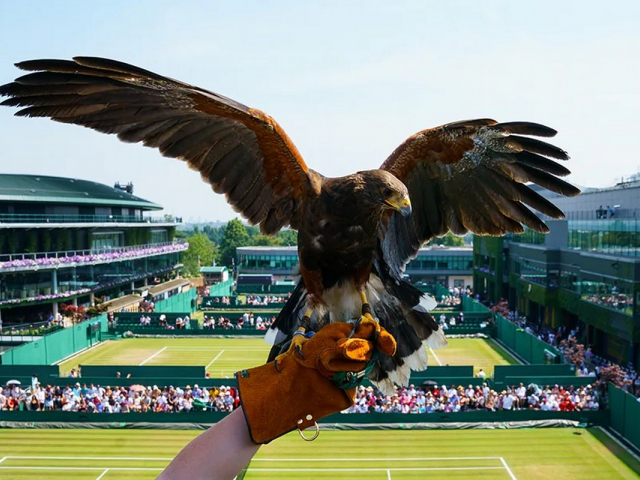
The Wimbledon tennis tournament faces the threat of match disruptions every year from flocks of pigeons that soil courts and distract players. Instead of traps or ultrasonic devices, hosts employed a hawk. Rufus, a desert buzzard (hawk), serves as an official staff member and faithfully circles the courts each morning before play, making his presence known. Wild birds see the formidable raptor and permanently leave the area. Natural fear of a hawk works more effectively than any engineered deterrent, making Rufus a living legend of world sport.


-
Grand Choice
Contest by
InstaForexInstaForex always strives to help you
fulfill your biggest dreams.JOIN CONTEST -
Chancy DepositDeposit your account with $3,000 and get $1000 more!
In August we raffle $1000 within the Chancy Deposit campaign!
Get a chance to win by depositing $3,000 to a trading account. Having fulfilled this condition, you become a campaign participant.JOIN CONTEST -
Trade Wise, Win DeviceTop up your account with at least $500, sign up for the contest, and get a chance to win mobile devices.JOIN CONTEST


